Bladder leakage after childbirth is treatable, without surgery
You do the quick clench before you laugh. You know every bathroom on every route. You dropped the trampoline and the HIIT class without ever explaining why, and when you finally asked about it, you got two minutes and a suggestion to try Kegels. It is not just motherhood and it is not just your age. It is a muscle problem, muscles can be retrained, and the first conversation is free.
- I do a quick clench before I laugh, sneeze, or lift my kids.
- I quietly dropped the trampoline, the HIIT class, the running group.
- I plan outfits and outings around whether I might leak.
- Two minutes with my doctor ended in: try Kegels, welcome to motherhood.
What this usually points to
- Stress urinary incontinence: leaks with laughing, sneezing, coughing, lifting or exercise, often after childbirth or around perimenopause
- Urgency and mixed patterns: the sudden can't-wait urge, sometimes alongside effort leaks. These have several possible causes, which is exactly what the assessment sorts out
- Pelvic floor weakness affecting bladder control, confidence and intimacy
- Leaks that started years ago and never resolved on their own
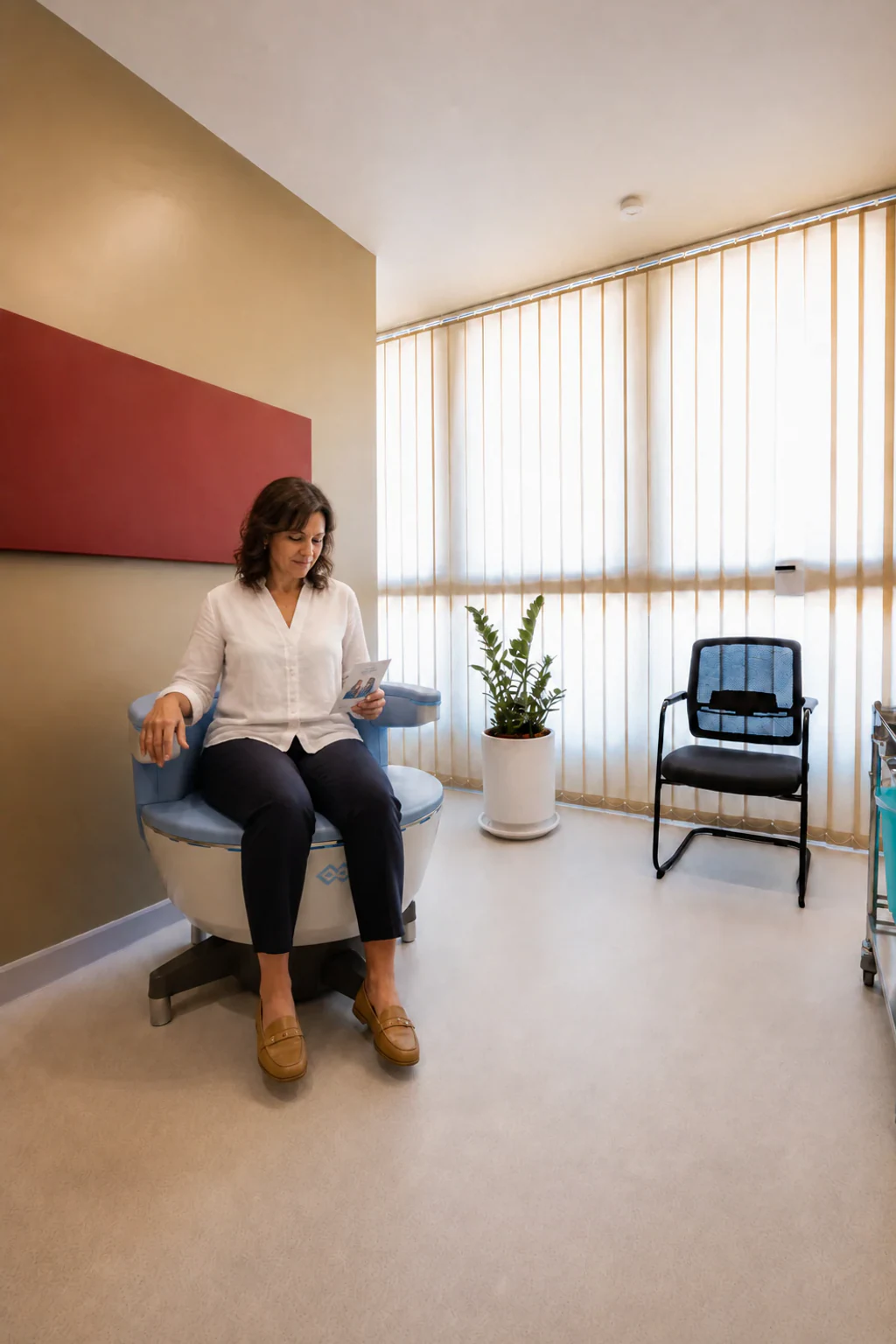
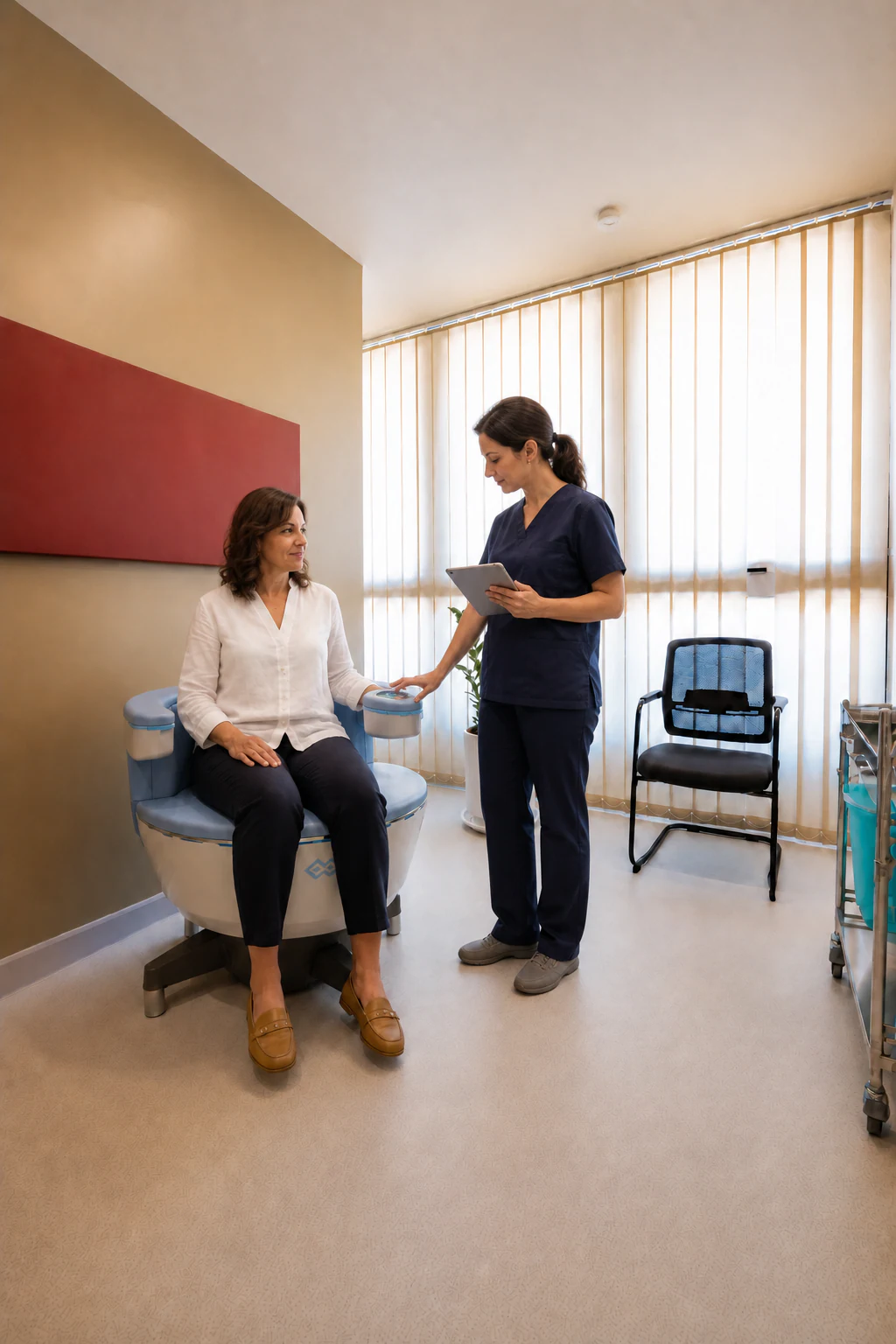
Seated, fully clothed, no undressing
A defined course, typically six 28-minute sessions
Assessment first: it starts with a free call
Why Kegels alone did not fix it
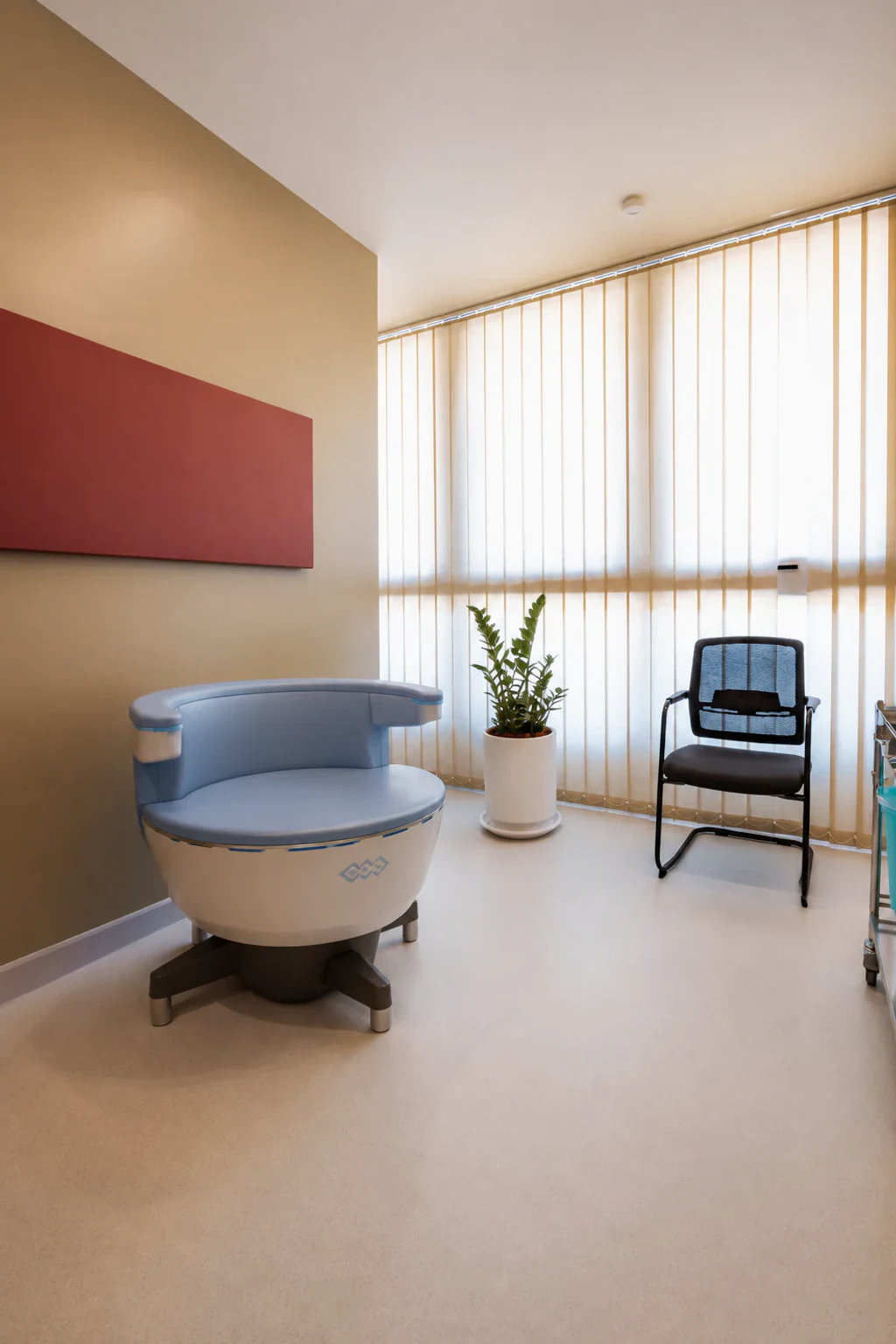
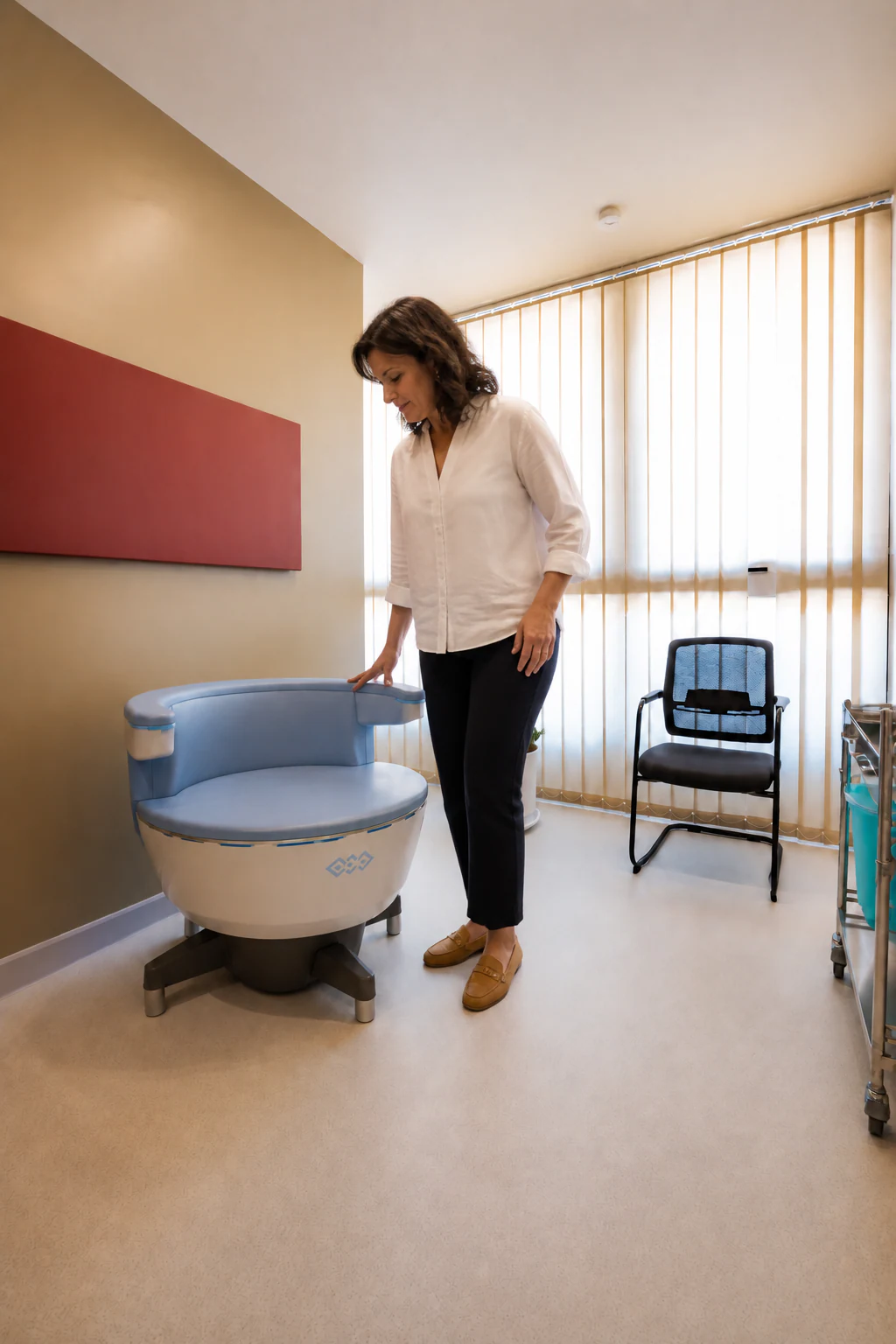
Kegels fail for an honest reason: most people cannot reliably find the right muscles, hold the contraction, or keep the habit up long enough to matter, especially while running a family. The Emsella pelvic floor chair does the part you cannot do voluntarily: thousands of supramaximal pelvic floor contractions per session, delivered electromagnetically while you sit fully clothed. The device is FDA-cleared for urinary incontinence, and cleared as a prescription device: a clinician decides. That is exactly how AION treats it: offered only after an assessment confirms your leaks actually come from pelvic floor weakness, because that is the only case in which it works.
What the research shows in women
Emsella is one of the few device treatments in this space with published, peer-reviewed results in women. The honest numbers, with the reminder that response varies by cause and severity:
- In a clinical study of 75 women, 8 in 10 reported significant symptom improvement after six sessions, with symptom scores roughly halved and still improving at three months (Samuels 2019)
- A 2025 meta-analysis pooling seven studies found significantly fewer leakage episodes versus control, with no safety issues identified (Leonardo 2025)
- For leaks after childbirth specifically, a randomized clinical trial in postpartum stress incontinence reported improvement in symptoms, severity and pelvic floor strength
- Published reviews also report meaningful improvements in sexual function scores after treatment (Sacarin 2025), a documented secondary benefit of the same mechanism
- Compared against surgery, surgery corrects anatomy better. Emsella's honest claim is faster recovery with no incisions: the right first option for mild to moderate cases, not a universal replacement
Who this is for
You do not need a diagnosis in hand to ask. The assessment exists to confirm the fit, and if Emsella is not the right tool for your case, you hear that plainly.
Worth asking about if
- Leaks are triggered by laughing, sneezing, coughing, lifting or exercise
- Symptoms began after childbirth or arrived around perimenopause
- You want a non-surgical option properly tried before anything invasive
It is not offered
- During pregnancy
- With an active pelvic infection or certain implanted devices
- As a substitute for assessment: a prolapse or complex case needs its own evaluation first
What a session involves
Sessions are quick, comfortable, and require no preparation or recovery time. A course is typically six 28-minute sessions over about three weeks, and your response is tracked in numbers you can feel: leak episodes per week, pads per day, and what you can do again without checking first.
Before
A short check that the session is still appropriate for you, then you sit in the chair fully clothed.
During
The chair delivers electromagnetic pulses that cause the pelvic floor muscles to contract. Most people feel a tingling or tapping sensation rather than discomfort.
After
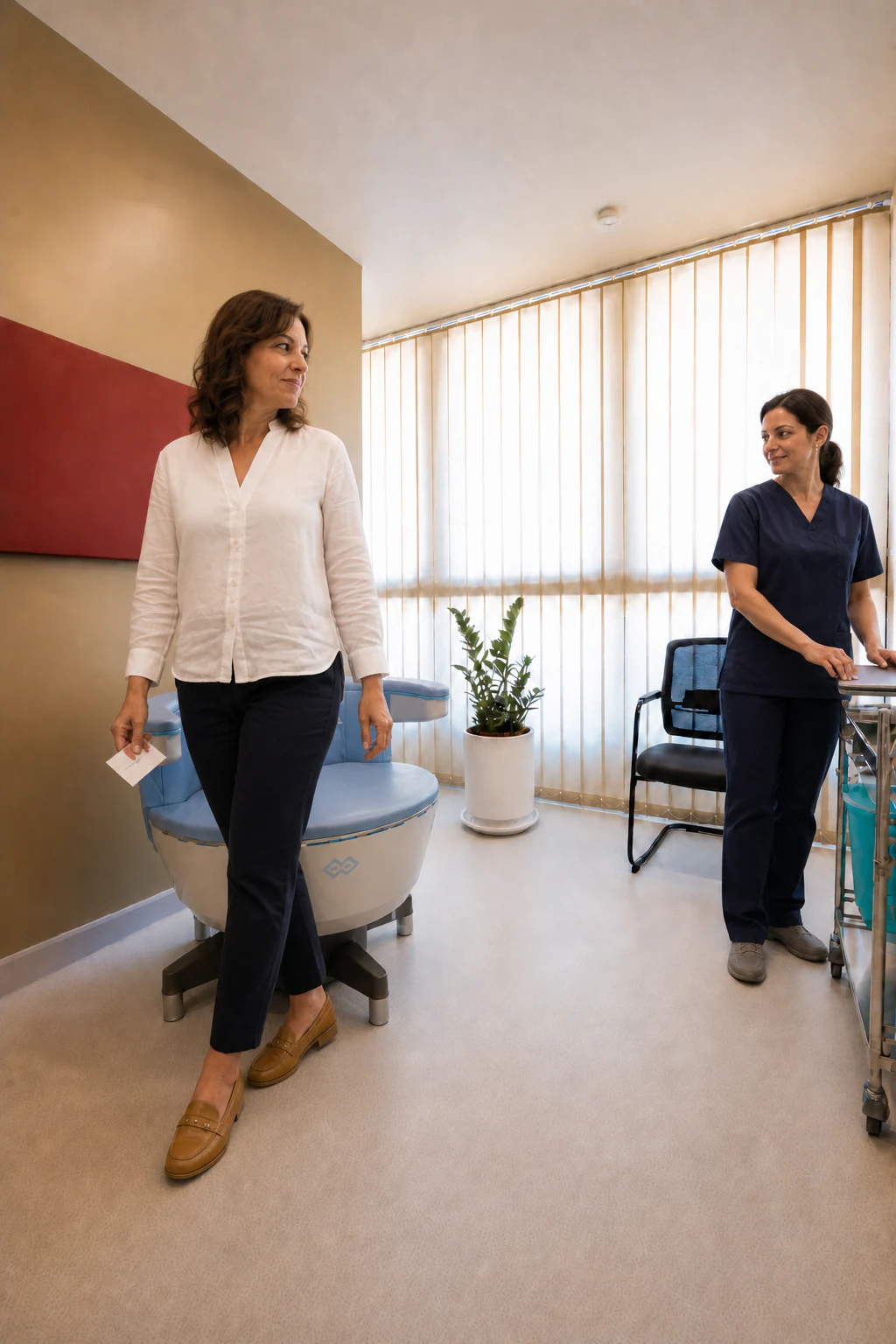
You get up and continue your day immediately. There is nothing to monitor afterwards.
Risks and limitations
Emsella is non-invasive and generally well tolerated. Worth knowing:
- Mild muscle soreness after a session, similar to exercise
- Not used during pregnancy or with certain implanted devices
- Screening for these is done before your first session
- Blood in the urine, fever, retention or new neurologic symptoms are investigated first, never booked into a chair
Related clinical evidence
View the full clinical evidence library →The evidence behind Emsella for Women
Questions about Emsella for Women
A fair question, and the reason AION leads with published data. In peer-reviewed studies, over 80% of women reported significant improvement after a six-session course, and a 2025 meta-analysis across seven studies confirmed significantly fewer leakage episodes versus control. It is not magic, and it is not for every case, which is why an assessment comes first.
More realistic than most treatments: each session takes 28 minutes, you stay fully clothed the whole time, there is no undressing, no recovery time, and you drive home straight after. A course is typically six sessions over about three weeks. It is designed to fit inside a life, not replace one.
Yes, for one specific situation: incontinence that persists after prostate surgery. That case has its own evidence and its own page, Emsella for Men, because the situation and the message are different. This page is about stress incontinence in women.
Mild to moderate stress incontinence is exactly where the evidence is strongest, and pelvic floor weakness does not improve by being ignored. Waiting usually means more adaptation, not less leakage. The assessment gives you a plain answer either way.
No. A course is defined, typically six sessions over about three weeks, and your response is reviewed at the end. Studies show improvement holding at follow-up months later. If a maintenance session is ever worth it for your case, that is discussed openly, not assumed.
Published studies report meaningful improvements in sexual function scores after treatment, which follows from the same mechanism: a stronger, better-controlled pelvic floor. It is a documented secondary benefit, not the primary claim.
Sometimes, and honestly, it depends on the cause. Urgency can come from the pelvic floor, but also from infection, medication, caffeine, or bladder conditions that need their own treatment. That is exactly what the assessment sorts out first: where a weak pelvic floor is genuinely part of your urgency picture, treatment may support control. Where it is not, you are told what actually will help.
Because it treats one specific problem: pelvic floor muscle weakness. A prolapse, an overactive bladder, or a more complex case needs its own evaluation and possibly a different path entirely. In its regulatory clearance this is a prescription device, a clinician decides, and the assessment is what protects you from paying for the wrong treatment.
Connected care
One body. Everything connects.
What you've just read is rarely the whole story. These are often part of the same picture.
Program
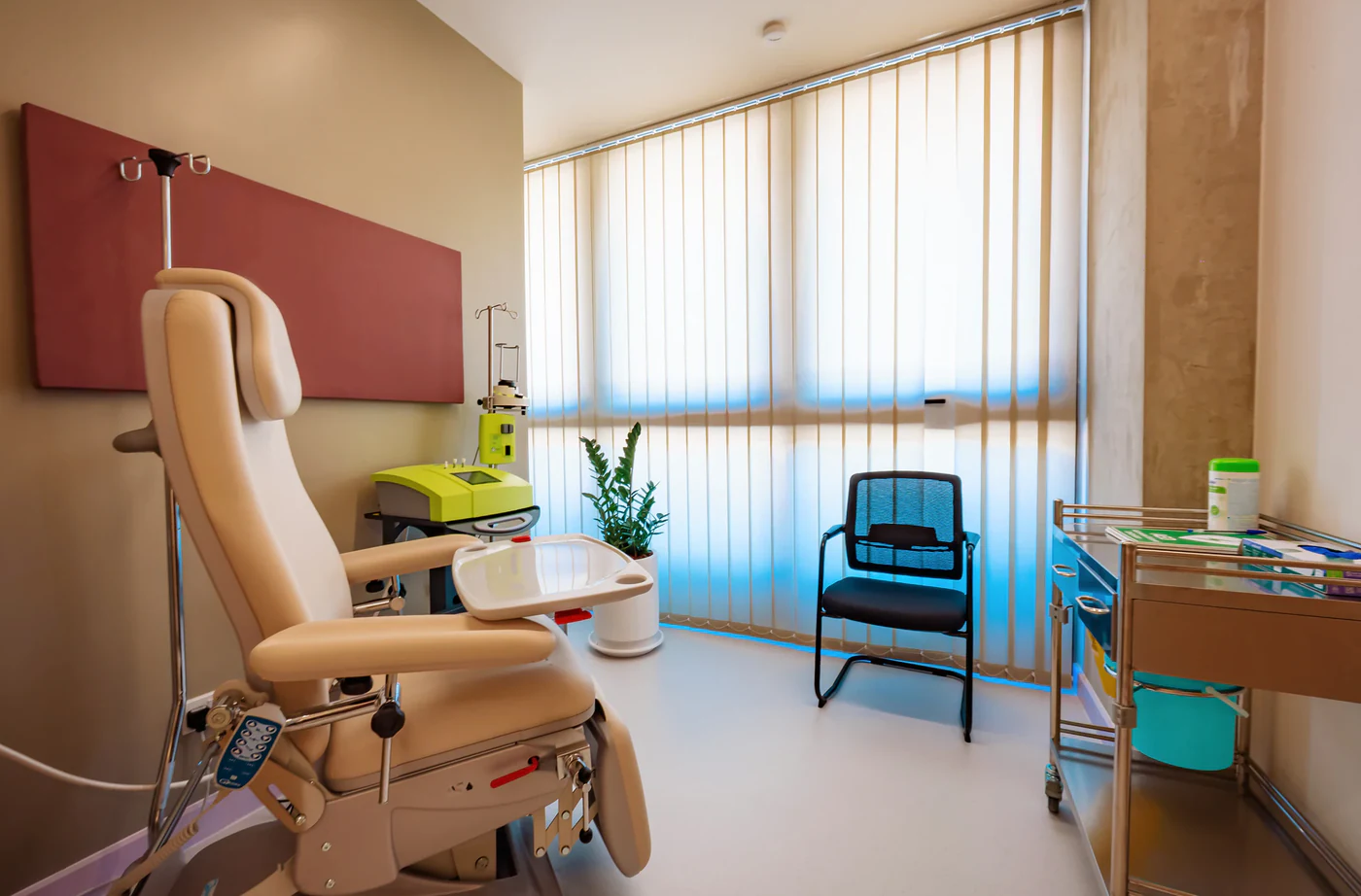
Women's AION 360
Perimenopause and menopause care in Limassol, built around the hormonal and physical changes women actually go through.
Treatment
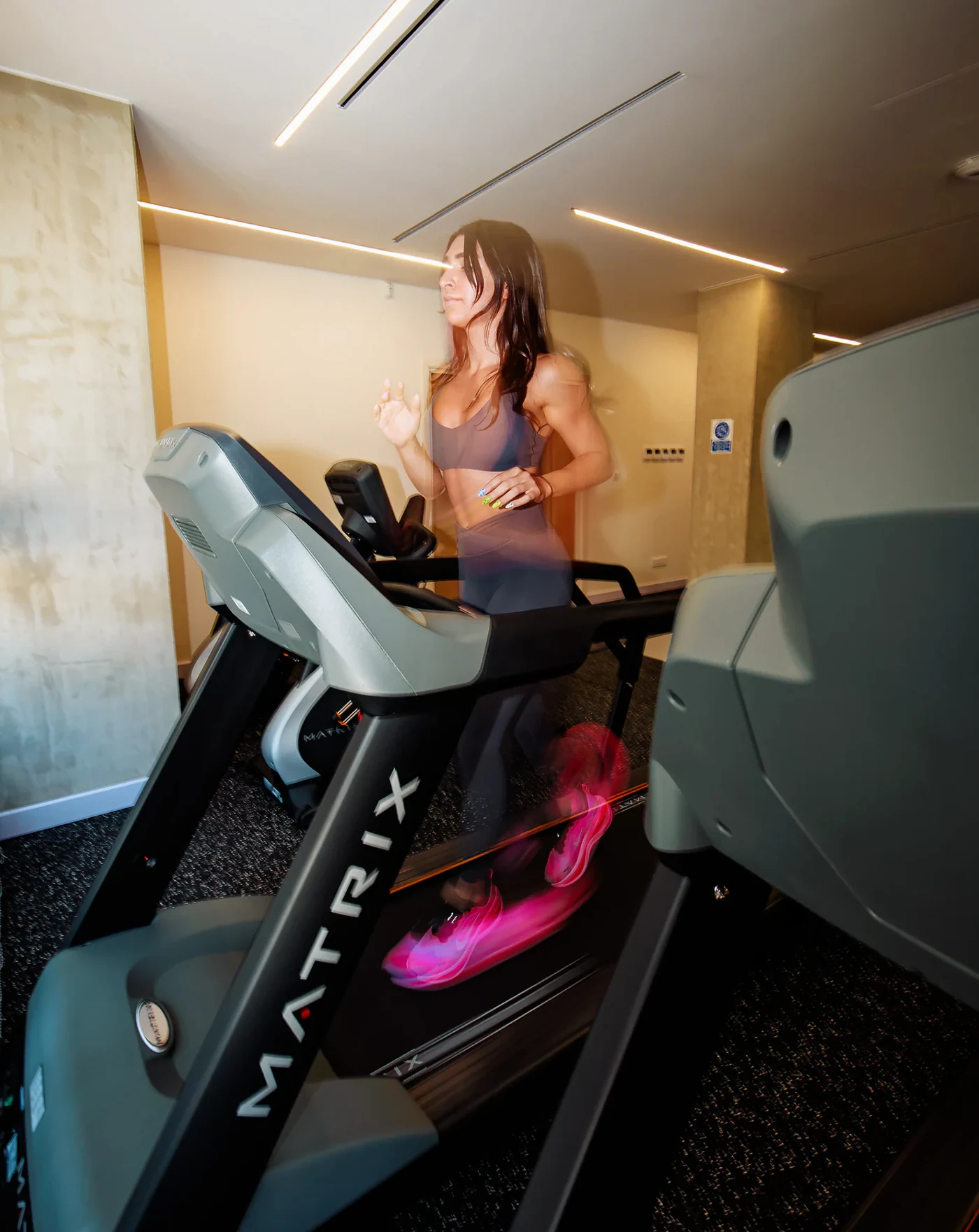
Rehabilitation & Physiotherapy
Sports, orthopaedic and neurological rehabilitation, built from a physiotherapy assessment, not a generic program.
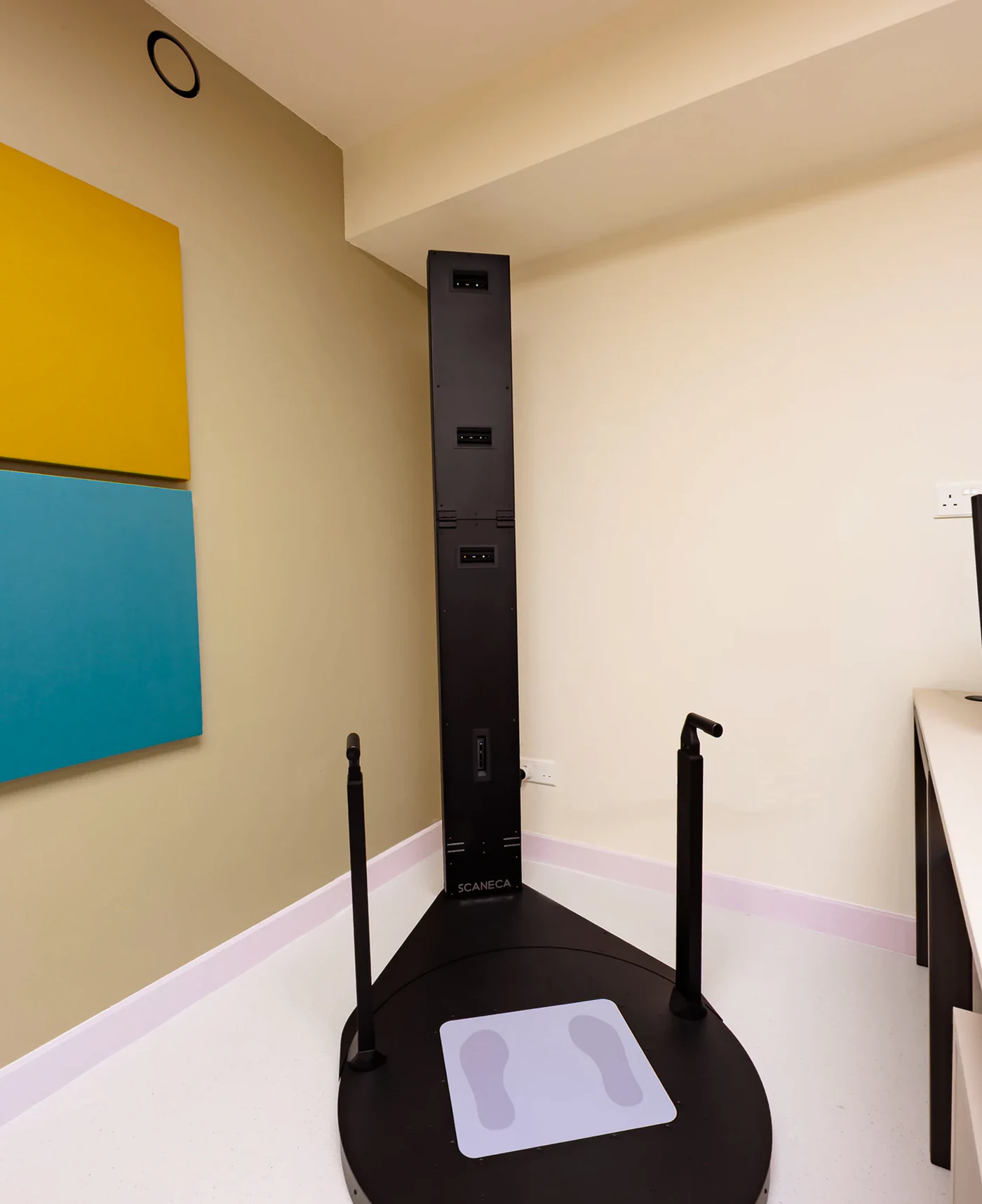
Diagnostics
Functional, Hormonal & Cognitive Health
How your body performs, how your hormones are behaving, and how your mind is holding up, measured together.
Find out if Emsella for Women is your answer.
One free call. You leave knowing whether AION fits your case, what it would involve, and what it costs. If the honest answer is no, you hear that too, and it costs you nothing to hear it.
Your free call is a 15-minute online conversation with the AION team. It is a first conversation, not a medical consultation.