
Recovery & Regenerative Therapies
EBOO (Extracorporeal Blood Oxygenation and Ozonation): What the Evidence Shows
EBOO circulates blood outside the body, exposing it to oxygen and ozone before returning it. It's marketed heavily for detox and anti-aging, but rigorous human trial evidence for these specific claims is genuinely thin. Here's what the therapy actually involves and what's known.
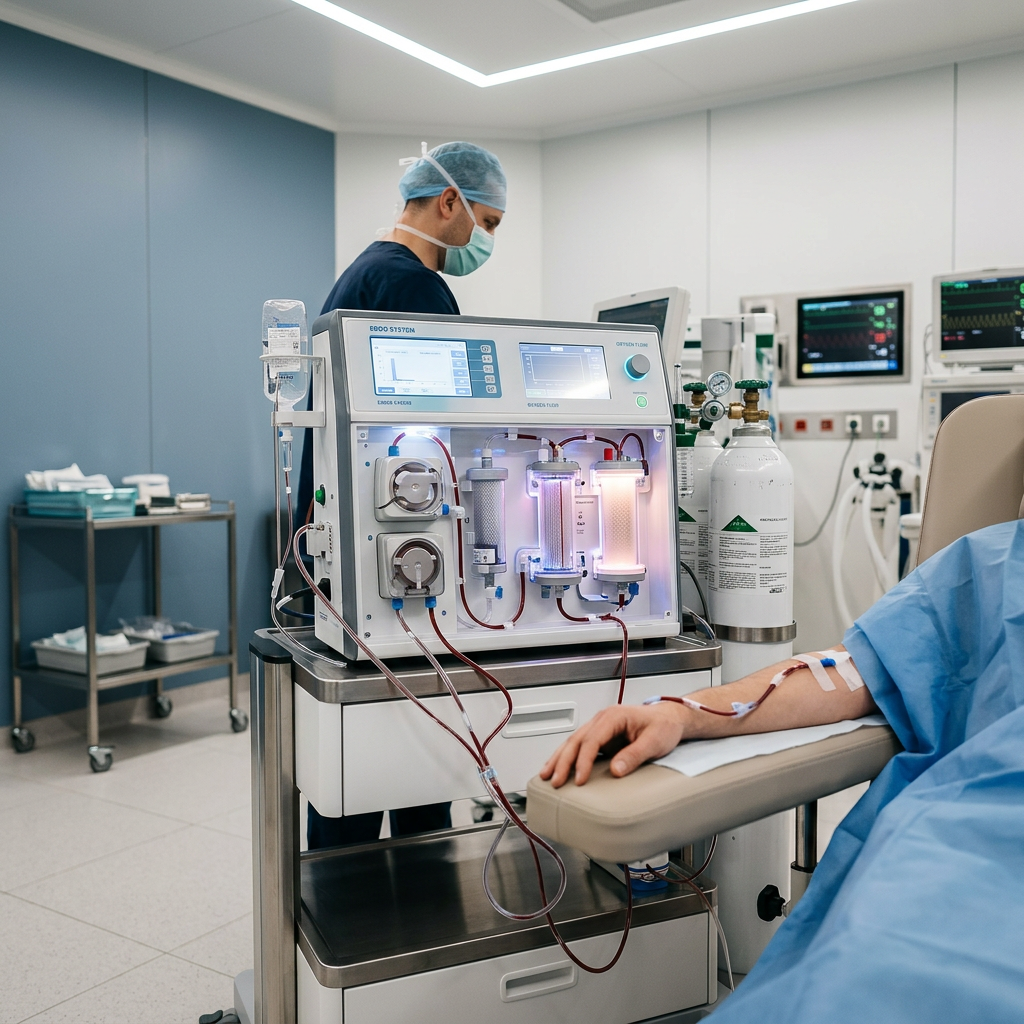
TL;DR: EBOO (extracorporeal blood oxygenation and ozonation) circulates a patient's blood outside the body through a device that exposes it to oxygen and ozone gas before returning it. It's derived from older ozone therapy practices (like major autohemotherapy) but processes a larger blood volume through a closed filtration system. It is heavily marketed for detoxification, anti-aging, immune support, and general wellness, but rigorous, controlled human trial evidence for these specific claims is genuinely limited. The biological plausibility of ozone's effects on blood is real and studied at a cellular level; the leap to proven clinical wellness outcomes in humans is considerably less established.
What Is EBOO, and How Does It Differ From Older Ozone Therapies?
Ozone therapy in medicine has existed in various forms for decades, most commonly as major autohemotherapy, where a smaller volume of blood is withdrawn, mixed with ozone gas, and reinfused. EBOO is a more recent, technologically advanced variant: blood is continuously circulated through an external device that exposes a much larger blood volume to a controlled oxygen-ozone gas mixture across a filtration membrane, allowing more blood to be treated per session than older manual methods. The proposed mechanism involves ozone's oxidative effects on blood cells and plasma, theorized to stimulate antioxidant enzyme systems, modulate immune activity, and improve oxygen utilization.
What Does Actual Human Evidence Show?
This is where precision matters considerably. Ozone's biochemical effects on blood components have been studied at the cellular and biochemical level, and there is a real, documented oxidative and immunomodulatory effect when blood is exposed to controlled ozone concentrations. However, translating this cellular-level finding into proven clinical outcomes, meaningful, measurable improvement in specific health conditions or aging markers in controlled human trials, is a considerably higher evidence bar that EBOO specifically has not yet cleared for most of its marketed uses. Most available evidence comes from smaller studies, case series, or research on older ozone therapy variants rather than large, well-controlled human trials of EBOO itself.
EBOO and Ozone Therapy Claims: Evidence Status
| Claimed benefit | Evidence status |
|---|---|
| Ozone has measurable oxidative/immunomodulatory effects on blood at a cellular level | Established at the biochemical/cellular research level |
| Improves specific circulatory conditions | Limited, mostly smaller studies or older ozone therapy variants |
| Detoxification | Not well supported; the specific detox mechanism claimed is not clearly demonstrated |
| Anti-aging / longevity | Not established; largely theoretical extrapolation |
| General immune support / wellness | Limited direct trial evidence for EBOO specifically |
Why Is the "Detox" Claim Specifically Problematic?
This is worth addressing directly, as it's one of the most common EBOO marketing claims. The body's actual detoxification systems are the liver and kidneys, which continuously process and eliminate metabolic waste and toxins through well-understood biochemical pathways. The specific mechanism by which exposing blood to ozone would enhance this existing detoxification process is not clearly demonstrated in rigorous human research. This mirrors a pattern seen with several other wellness therapies (like infrared sauna) where "detox" is used as a marketing term without a demonstrated specific mechanism or measured outcome behind it for that particular therapy.
What Are the Real Risks of EBOO?
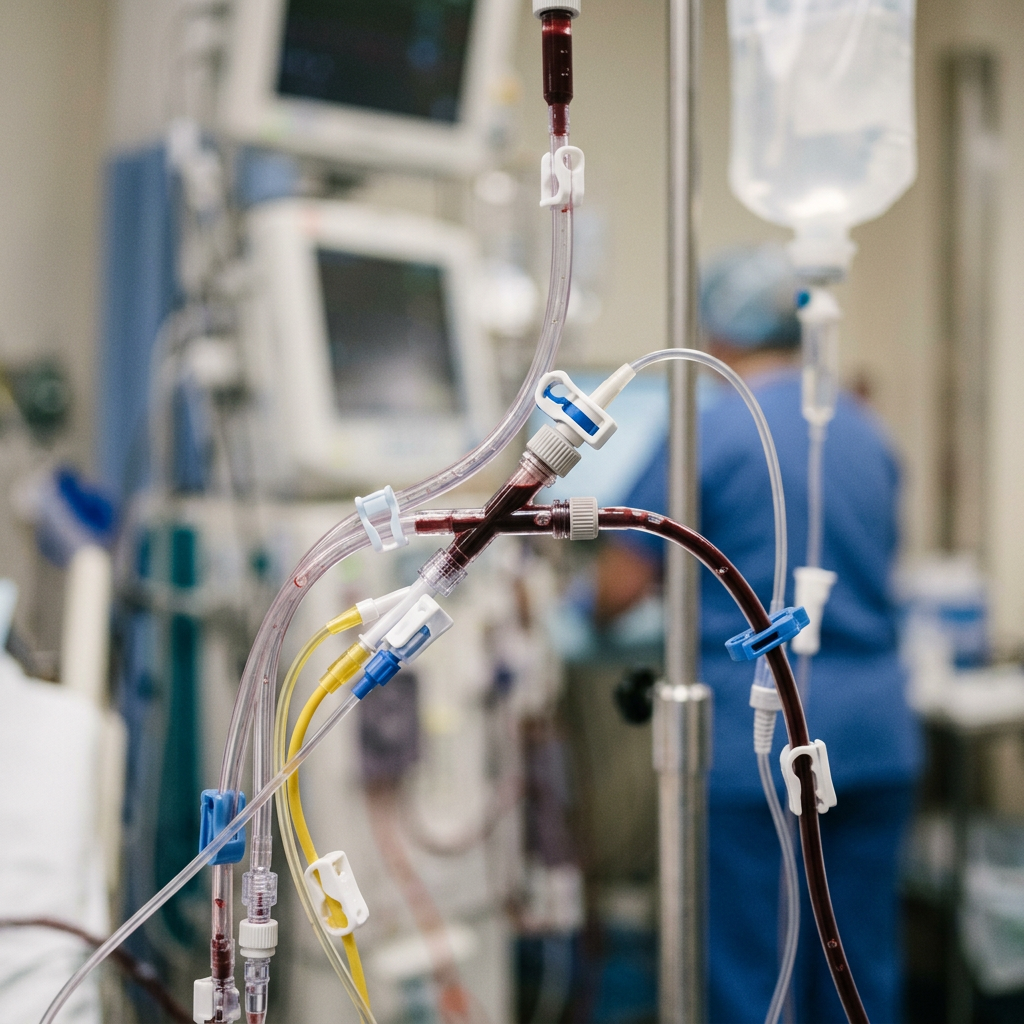
EBOO involves extracorporeal blood processing, so it carries similar general risks to other apheresis-based procedures: vascular access complications, allergic or hypotensive reactions, and the risks inherent in circulating blood outside the body through mechanical equipment. Ozone exposure itself, if not carefully controlled and dosed, carries its own risks including oxidative stress to blood components if concentrations aren't properly managed. Appropriate clinical protocols and monitoring matter considerably given these considerations.
What Should You Ask Before Considering EBOO?
- What specific, measurable outcome is this being recommended to achieve, and what direct evidence supports EBOO achieving it, as opposed to general ozone theory?
- How is the ozone concentration and blood volume controlled and monitored during the procedure?
- What is the clinical experience and protocol basis of the provider administering it?
- Are claims being made (particularly "detox" or "anti-aging") that go beyond what's actually demonstrated in human trials?
How AION Approaches EBOO
AION's EBOO program applies the same evidence-honesty standard used across our apheresis and blood-based therapies: the biological plausibility of ozone's cellular effects is acknowledged accurately, while broader detox, anti-aging, and general wellness claims are presented as an area of ongoing research rather than proven clinical outcomes.
Related AION Resources
For the foundational evidence review of blood-based therapies, see our guide on therapeutic plasma exchange. For a related selective filtration technique, see our guide on INUSpheresis. For a related detox-marketing claim in a different therapy, see our guide on infrared sauna benefits.
FAQ
What is EBOO, and how does it differ from traditional ozone therapy? EBOO circulates a larger blood volume through an external device exposing it to controlled oxygen-ozone gas, processing more blood per session than older manual autohemotherapy methods.
Does EBOO actually detox the blood? The specific mechanism by which ozone exposure would enhance the body's existing detoxification pathways (handled by the liver and kidneys) is not clearly demonstrated in rigorous human research.
Is EBOO proven for anti-aging? No. This claim rests largely on theoretical extrapolation from ozone's cellular-level effects rather than established human clinical trial evidence.
What are the risks of EBOO? Risks include vascular access complications, allergic or hypotensive reactions, and oxidative stress risks if ozone concentration isn't carefully controlled and monitored.
Does ozone have any real, documented biological effects? Yes, at the cellular and biochemical level, ozone exposure has documented oxidative and immunomodulatory effects on blood. The gap is between this cellular finding and proven clinical outcomes in humans.
What should I ask before considering EBOO? Ask what specific outcome is being targeted, what direct human evidence supports it, how ozone concentration is monitored, and whether claims like "detox" go beyond what's actually demonstrated.
This article is for educational purposes and does not replace individualized medical advice. Always consult a physician about whether this therapy is appropriate for your specific situation.
Keep reading

Recovery & Regenerative Therapies
CIDP Treatment Options: Where Plasma Exchange Actually Fits In
Recovery & Regenerative Therapies
Guillain-Barré Syndrome Treatment: Why Timing on Plasma Exchange Matters

Recovery & Regenerative Therapies
Myasthenia Gravis Exacerbation: How Plasma Exchange Fits Into Treatment
This article is educational and is not medical advice. Whether any therapy is appropriate for you is a clinical decision made by a physician after an individual assessment.