
Diagnostics & Testing
Gut Health Tests: Microbiome Results, Limitations and Clinical Use
Commercial gut health tests promise a lot, but the evidence behind them is genuinely mixed. Here's what stool-based microbiome sequencing can and cannot tell you, and which targeted tests actually have strong clinical backing.

TL;DR: Commercial gut health tests mostly sequence bacterial DNA in stool to report which microbial species are present. They can be interesting and are improving, but for most healthy people they do not yet reliably diagnose a condition or reliably predict which supplement or diet change will help, evidence in this field is genuinely mixed. Targeted stool tests for specific conditions (like calprotectin for inflammation, or pathogen panels for infection) have much stronger clinical backing than broad microbiome-mapping kits.
What Do Gut Health Tests Actually Measure?
"Gut health test" covers several very different things, and conflating them is where most confusion starts:
- Broad microbiome sequencing kits (16S rRNA or shotgun metagenomic sequencing) that report the relative abundance of bacterial species in a stool sample
- Targeted stool markers, such as fecal calprotectin (inflammation) or fecal elastase (pancreatic function)
- Pathogen and parasite panels, which look for specific infectious organisms
- Breath tests, such as hydrogen breath testing for small intestinal bacterial overgrowth (SIBO) or lactose malabsorption
These are not interchangeable, and a test that is genuinely useful for one purpose (like calprotectin for suspected inflammatory bowel disease) says nothing about the others.
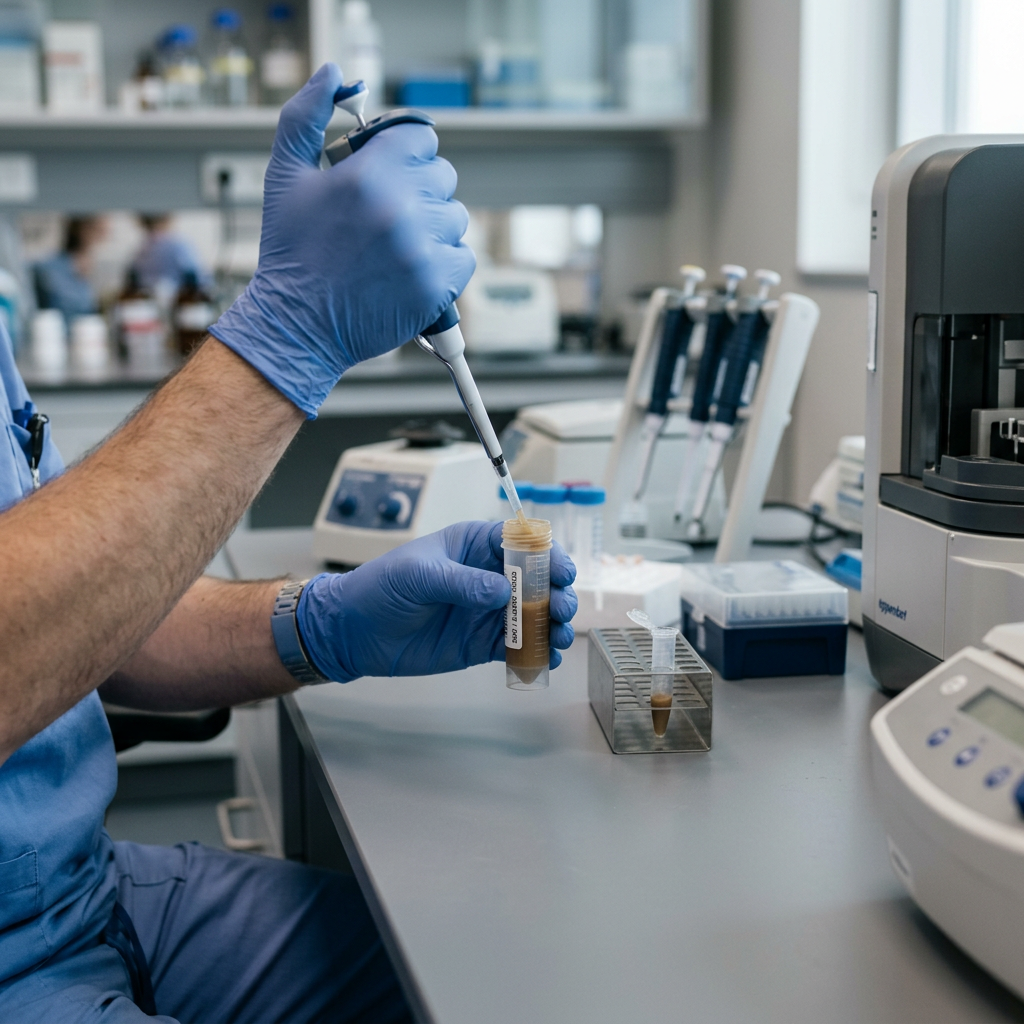
Gut Test Types: What Each One Can Actually Tell You
| Test type | What it measures | Clinical utility |
|---|---|---|
| Fecal calprotectin | Intestinal inflammation marker | Well-established for distinguishing IBD from IBS |
| Fecal elastase | Pancreatic enzyme output | Well-established for pancreatic insufficiency |
| Pathogen/parasite PCR panel | Specific infectious organisms | Well-established when infection is suspected |
| Hydrogen breath test | Bacterial fermentation gases | Well-established for SIBO and lactose malabsorption |
| Broad microbiome sequencing (16S/shotgun) | Relative abundance of bacterial species | Emerging; limited actionability for most healthy adults |
Why Are Commercial Microbiome Sequencing Kits Contested?
The core issue is not that sequencing technology is inaccurate, it is that the science connecting a person's specific microbial profile to actionable individual recommendations is still developing. Several structural problems limit what these broad tests can tell an individual today:
- A "healthy" reference microbiome has not been firmly established. Microbial diversity varies enormously between healthy individuals based on diet, geography, and genetics, so there is no single normal range to compare against.
- A single stool sample is a snapshot. Gut microbial composition shifts day to day with diet, stress, and even time of day, so one sample may not represent a stable baseline.
- Association is not the same as causation. Studies often find that certain bacteria are more common in people with a condition, but this does not prove the bacteria caused the condition, or that changing bacterial levels would change the condition.
- Company-specific supplement recommendations vary. Different companies interpreting similar raw data have produced different dietary or probiotic recommendations, which points to a lack of standardized, validated interpretation frameworks industry-wide.
A closer look at the evidence review on gut microbiome and cellular/mitochondrial testing walks through where this field currently stands, including which specific findings are replicated and which remain preliminary.
When Is a Gut Test Actually Worth Doing?
Targeted testing has a clearer role than broad sequencing:
- Persistent diarrhea, blood in stool, or unexplained weight loss warrants calprotectin testing and likely referral for possible inflammatory bowel disease, not a consumer microbiome kit
- Suspected SIBO (bloating, especially after carbohydrates, with additional GI symptoms) is better evaluated with a hydrogen breath test
- Recent travel with new GI symptoms may warrant a pathogen panel
- General wellness curiosity without symptoms is where broad microbiome sequencing sits in the "interesting but not yet clinically actionable" category for most healthy adults
What a Gut Health Test Cannot Tell You
Even a well-run microbiome sequencing test cannot currently:
- Diagnose a specific disease on its own
- Reliably predict which single food or supplement will resolve a symptom for a specific individual
- Replace calprotectin, elastase, or pathogen testing when a specific condition is suspected
- Provide a validated "optimal" microbiome target to aim for, since no such universal target currently exists in the literature
How AION Approaches Gut Testing
AION's cellular, mitochondrial and gut health diagnostics pathway starts with symptom history and, where indicated, targeted markers like calprotectin, rather than defaulting to a broad sequencing panel. Where microbiome sequencing adds context, it is interpreted alongside symptoms and other markers, not as a stand-alone verdict. For readers investigating bloating specifically, our related guide on food intolerance testing covers a closely related but distinct diagnostic question.
Related AION Resources
For a closely related but distinct question about food-specific reactions, see our guide on food intolerance testing. If fatigue accompanies your digestive symptoms, our guide on why you might always feel tired covers overlapping causes worth ruling out.
FAQ
Are at-home microbiome test kits accurate? The sequencing technology itself is generally accurate at detecting which bacteria are present. The limitation is in what that information can currently tell an individual about their health or what action to take.
Can a gut health test diagnose IBS or IBD? No commercial microbiome kit diagnoses either condition. IBD diagnosis typically involves calprotectin testing, blood work, and endoscopy; IBS is a clinical diagnosis made after ruling out other causes.
What is the most clinically useful gut test? For most suspected conditions, targeted tests like fecal calprotectin, hydrogen breath testing, or pathogen panels have far stronger clinical backing than broad microbiome sequencing kits.
Should I take a probiotic based on my microbiome test results? This is not currently well-supported by evidence. Different companies interpret similar data differently, and no validated framework yet links specific sequencing results to specific probiotic recommendations for individuals.
When should I see a doctor instead of ordering a gut test myself? See a doctor for persistent diarrhea, blood in stool, unexplained weight loss, or severe abdominal pain. These warrant clinical evaluation and targeted testing, not a consumer sequencing kit.
This article is for educational purposes and does not replace individualized medical advice. Always consult a physician about persistent digestive symptoms.



This article is educational and is not medical advice. Whether any therapy is appropriate for you is a clinical decision made by a physician after an individual assessment.