Diagnostics & Testing
VO2 Max Testing: What the Number Means and What It Misses
VO2 max is one of the strongest single predictors of longevity in medicine, but the raw number can mislead without proper context. Here's what the test actually measures, how it's done properly, and what it cannot tell you.
TL;DR: VO2 max measures the maximum rate your body can use oxygen during intense exercise, and it is one of the strongest predictors of long-term survival that medicine has, stronger in some studies than smoking status or blood pressure. But a single number, measured on one day, on one type of equipment, does not capture your trend over time, your recovery capacity, or how sustainable your training actually is. Interpretation matters more than the raw score.
What Is VO2 Max, and Why Does It Matter So Much?
VO2 max is the maximum volume of oxygen your body can consume and use per minute during maximal exertion, expressed in milliliters of oxygen per kilogram of body weight per minute (mL/kg/min). It reflects how well your heart, lungs, blood and muscles work together under load. Large cohort studies have repeatedly linked higher cardiorespiratory fitness to lower all-cause mortality, with some research placing the effect size ahead of traditional risk factors like hypertension and diabetes for predicting survival. This is why VO2 max has become a headline metric in longevity medicine, not just sports performance.
How Is VO2 Max Actually Measured?
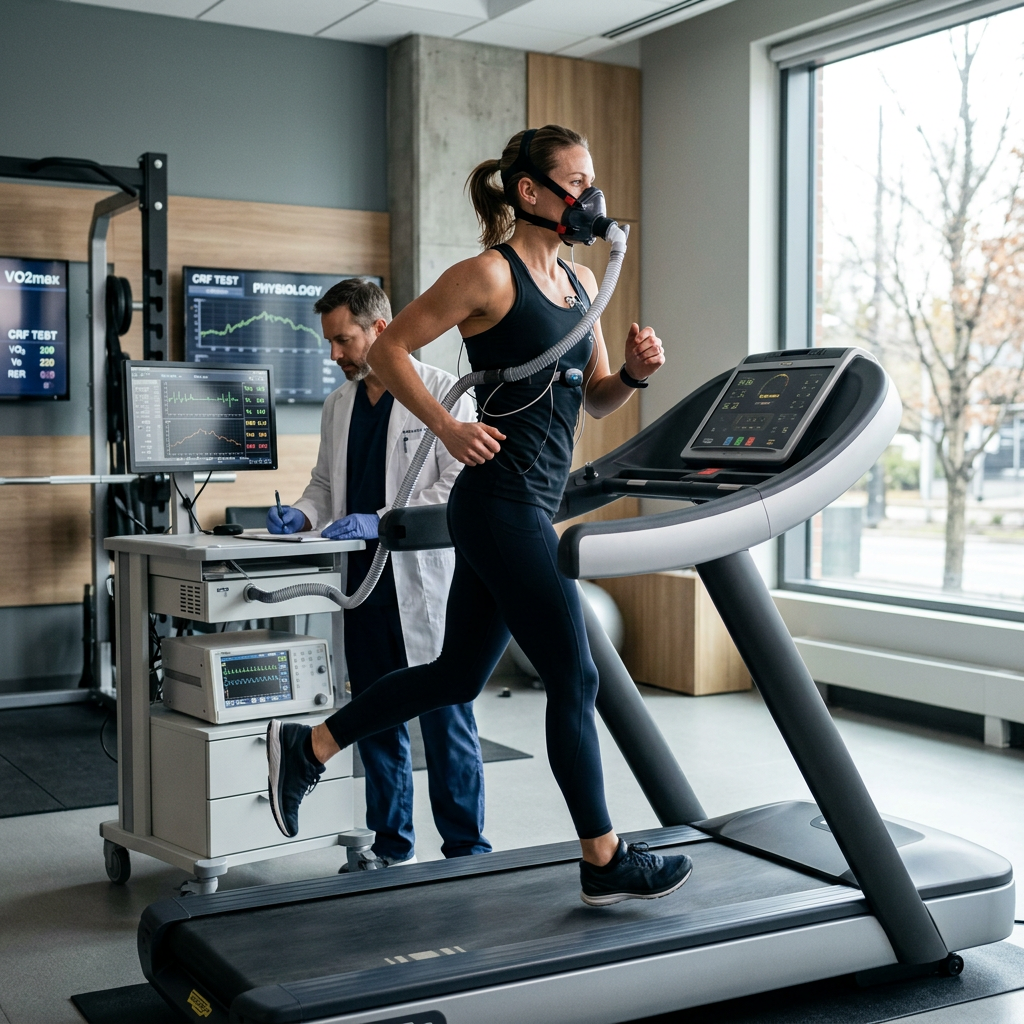
The gold-standard test is a graded cardiopulmonary exercise test (CPET), sometimes called ergospirometry, performed on a treadmill or bike while wearing a mask connected to a metabolic cart that directly measures oxygen consumption and carbon dioxide output as effort increases to exhaustion. This is different from wearable-device estimates (smartwatches, fitness trackers), which use heart rate algorithms to approximate VO2 max rather than measure it directly, and can be meaningfully inaccurate, particularly at the higher and lower ends of fitness.
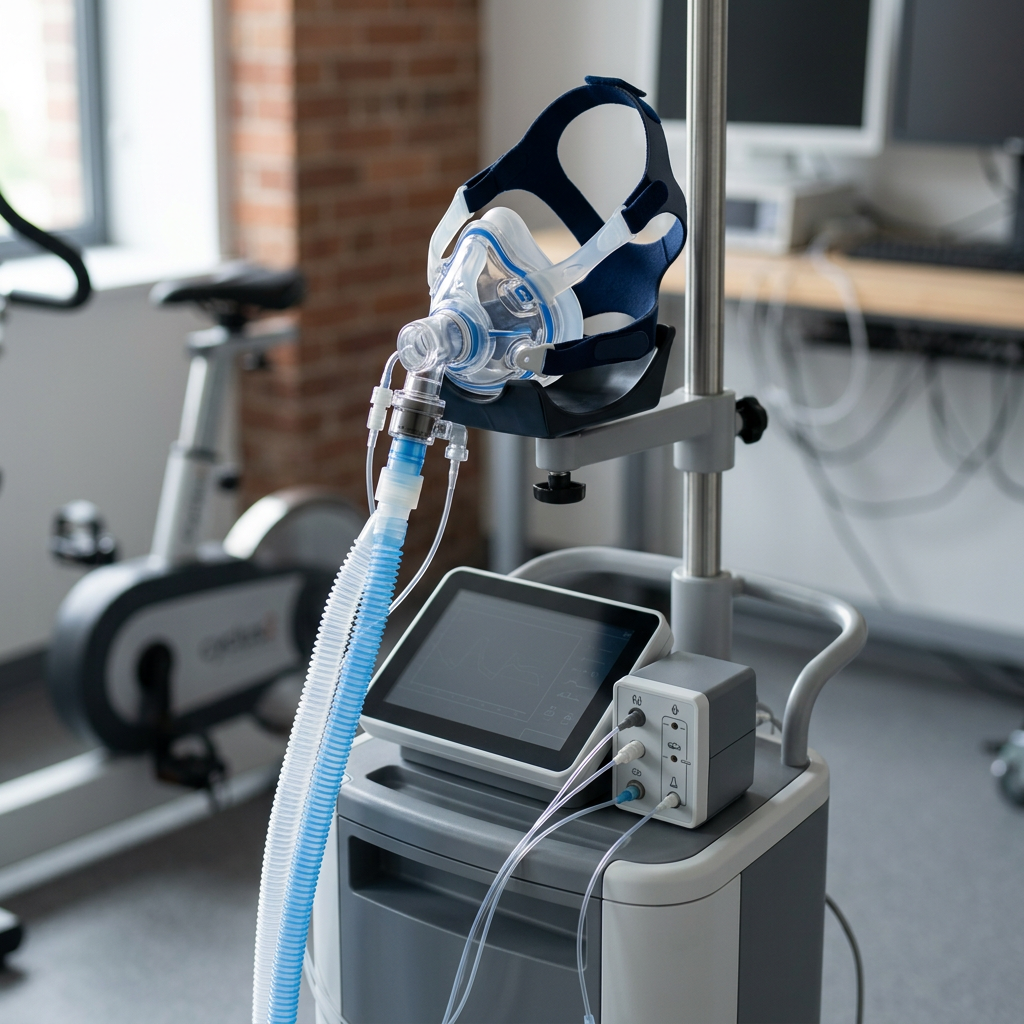
Direct Testing vs. Wearable Estimates
| Method | What It Measures | Accuracy |
|---|---|---|
| Lab CPET (ergospirometry) | Directly measured gas exchange at maximal effort | Gold standard |
| Chest strap-based submaximal tests | Estimated from heart rate response to submaximal load | Moderate, formula-dependent |
| Smartwatch estimate | Algorithmic estimate from resting/exercise heart rate | Variable, often overestimates at high fitness levels |
What Does a "Good" VO2 Max Score Actually Mean?
VO2 max is interpreted relative to age and sex, since natural values decline with age and differ between men and women due to differences in body composition and hemoglobin levels. A score that is excellent for a 60-year-old would be below average for a competitive 25-year-old endurance athlete. This is why a raw number without age- and sex-adjusted percentile context is close to meaningless on its own, and why testing through a program that reports percentile ranking, not just a raw figure, matters for interpretation.
What VO2 Max Cannot Tell You
A single VO2 max reading has real limitations:
- It does not measure recovery capacity, injury risk, or movement quality
- It reflects your fitness on the day of testing, not your trend, and a single high score does not guarantee current training is sustainable
- It says nothing about strength, mobility, or musculoskeletal health, which matter just as much for healthy aging
- Test conditions (treadmill vs. bike, protocol used, motivation on the day) can shift results by a meaningful margin between tests
- It cannot diagnose a specific cardiac or pulmonary condition on its own, though an unexpectedly low result may prompt further cardiovascular or pulmonary workup
A full review of how cardiorespiratory fitness and VO2 max relate to mortality risk in the underlying research shows the strength of this marker, along with the limits of what any single test can establish about your individual health trajectory.
When Should VO2 Max Testing Prompt a Closer Look?
An unexpectedly low result relative to your age and activity level, especially alongside symptoms like breathlessness disproportionate to effort, chest tightness during exertion, or unusual fatigue, is worth discussing with a physician rather than dismissing as "just being unfit." These patterns occasionally reveal underlying cardiovascular or pulmonary issues that benefit from earlier evaluation.
How AION Approaches VO2 Max Testing
AION's performance program uses lab-grade ergospirometry rather than wearable estimates, and interprets the result alongside body composition, movement quality and cardiovascular markers such as ApoB and blood pressure, because a strong VO2 max on its own does not offset other cardiovascular risk factors. For readers investigating unexplained tiredness or reduced exercise tolerance more broadly, our guide on why you might always feel tired covers related causes worth ruling out first.
Related AION Resources
For the cardiovascular markers most relevant alongside a VO2 max result, see our guides on ApoB testing and high cholesterol symptoms. For the underlying evidence, see our review of coronary artery calcium scoring.
FAQ
What is a good VO2 max score? This depends entirely on age and sex. A score is only meaningful when compared against age- and sex-matched percentiles, not against a single universal number.
Can a smartwatch accurately measure VO2 max? Watches estimate VO2 max using heart rate algorithms rather than measuring it directly, and accuracy varies, often overestimating at higher fitness levels. A lab-based cardiopulmonary exercise test remains the gold standard.
Does VO2 max really predict how long I will live? Large population studies consistently link higher cardiorespiratory fitness to lower all-cause mortality, with some research showing an effect size comparable to or greater than traditional risk factors. This is a strong association, not a guarantee for any individual.
Can VO2 max improve with training? Yes, VO2 max is trainable, particularly through structured aerobic and interval training, though the degree of improvement varies by starting fitness level, age and genetics.
Is a low VO2 max always a health concern? Not automatically. It may simply reflect current fitness level. However, an unexpectedly low result alongside symptoms like breathlessness or chest tightness during exertion warrants a physician conversation.
This article is for educational purposes and does not replace individualized medical advice. Always consult a physician before starting a new exercise or testing program.



This article is educational and is not medical advice. Whether any therapy is appropriate for you is a clinical decision made by a physician after an individual assessment.