Screening & Prevention
Whole-Body MRI Cancer Screening: What the Evidence Actually Shows
Whole-body MRI screening for cancer is marketed as a comprehensive safety net, but the evidence on outcomes in asymptomatic adults is genuinely limited, and false positives are a real, significant downside. Here's an honest look at what's proven and what isn't.
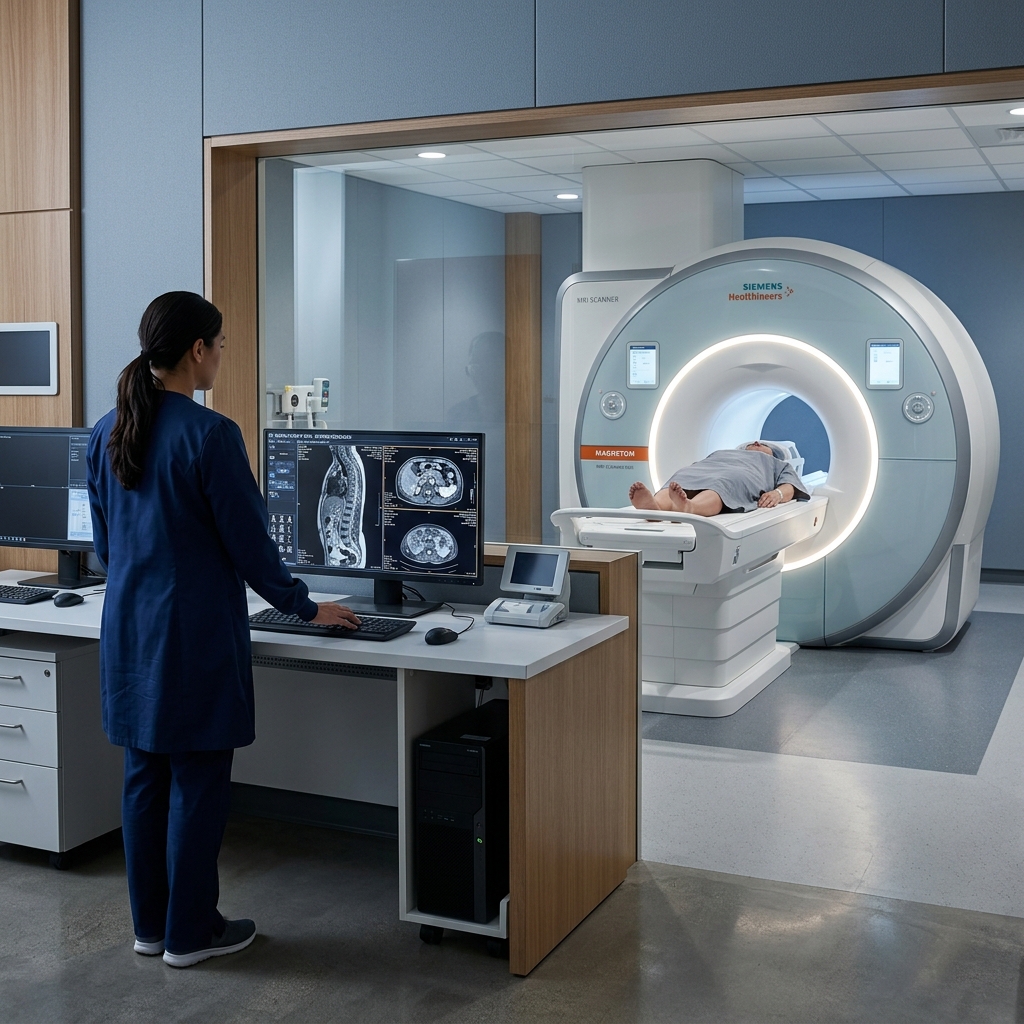
TL;DR: Whole-body MRI screening for cancer in asymptomatic, average-risk adults is not currently supported by strong evidence showing it reduces cancer mortality, unlike targeted screening programs (mammography, colonoscopy, low-dose CT for smokers) which do have this evidence. MRI can and does detect abnormalities, but a meaningful proportion are false positives or findings of uncertain significance that lead to further testing, anxiety, and sometimes unnecessary procedures, without a proven corresponding reduction in cancer deaths at the population level. This is a genuinely contested area, not a settled one.
What Is Whole-Body MRI Screening, and What Does It Actually Look For?
Whole-body MRI screening uses magnetic resonance imaging to scan large portions of the body, looking for masses, structural abnormalities, or other findings that could represent early cancer or other disease, in people without symptoms. It's marketed as a radiation-free, comprehensive way to catch cancer before it becomes symptomatic, appealing precisely because it doesn't use ionizing radiation like CT scans do.
What Does the Evidence Actually Show for Cancer Detection?
This is where precision matters enormously. MRI is genuinely excellent at producing detailed images of soft tissue, and it can detect masses and abnormalities. The unresolved question is not whether MRI can see things, it's whether whole-body screening in asymptomatic, average-risk adults actually reduces cancer mortality or improves outcomes at a population level. Unlike mammography, colonoscopy, and low-dose CT for high-risk smokers, all of which have randomized trial evidence showing mortality benefit in their specific target populations, whole-body MRI screening for the general asymptomatic population does not currently have comparable randomized controlled trial evidence demonstrating a mortality benefit.
Established Cancer Screening vs. Whole-Body MRI: An Honest Comparison
| Screening method | Target population | Evidence level |
|---|---|---|
| Mammography | Women in specific age ranges | Randomized trial evidence of mortality reduction |
| Colonoscopy | Adults in specific age ranges | Randomized trial and strong observational evidence of mortality reduction |
| Low-dose CT | Long-term heavy smokers | Randomized trial evidence of mortality reduction in this specific high-risk group |
| Whole-body MRI | General asymptomatic adults | No comparable randomized trial evidence of mortality reduction currently exists |
What Is the False Positive Problem, Specifically?
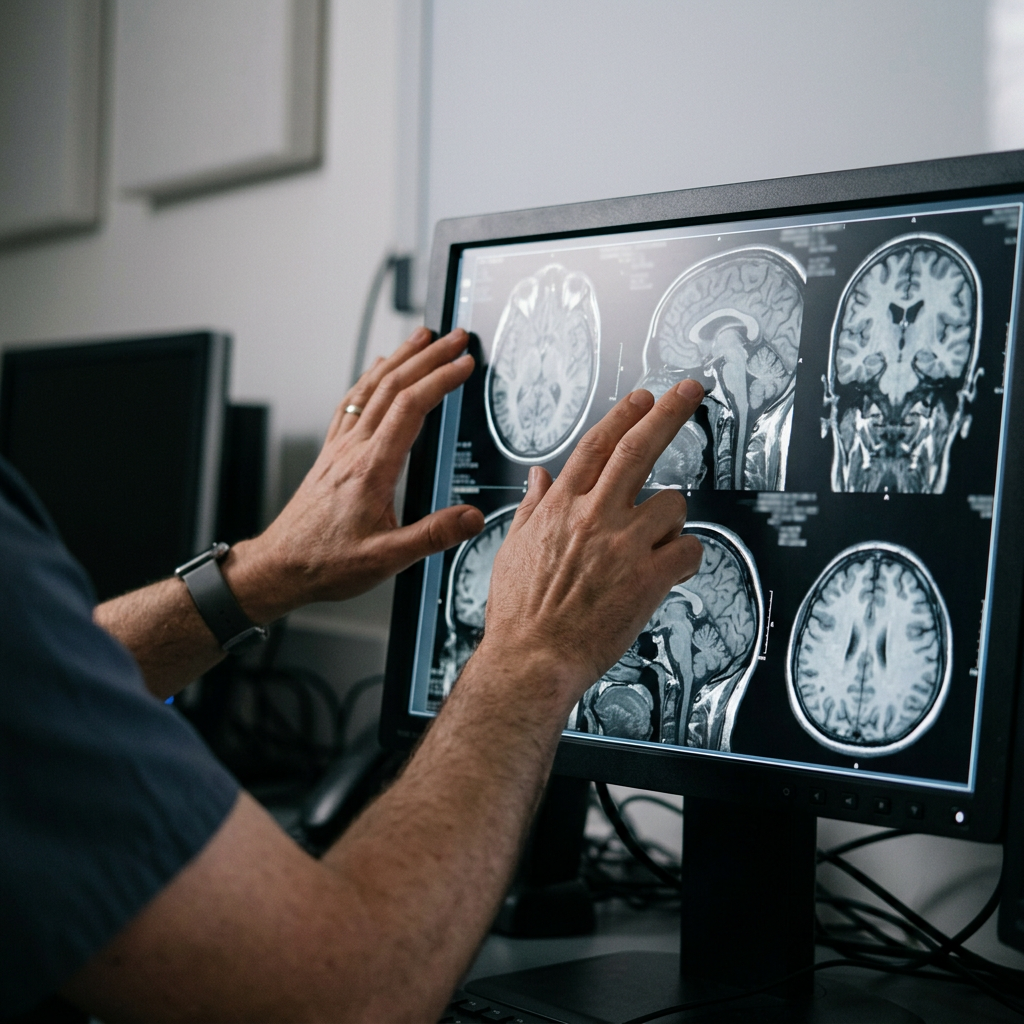
This is the central, honest concern with unselective whole-body screening. MRI frequently detects "incidentalomas", findings that are abnormal-looking but turn out to be benign, or findings of genuinely uncertain clinical significance. Because whole-body MRI scans so much tissue at once, the cumulative chance of finding at least one such abnormality is meaningfully high, even in people with no actual disease. Each of these findings typically triggers follow-up: additional imaging, sometimes biopsy, and real psychological anxiety while the uncertainty is resolved. The core tradeoff: catching a true early cancer is valuable, but the volume of false alarms and their downstream costs, physical, financial, and psychological, is a real and significant part of the whole-body screening equation that marketing materials frequently underplay.
Are There Situations Where Whole-Body MRI Screening Makes More Sense?
Yes. The risk-benefit calculation shifts meaningfully for people with specific elevated risk factors: certain hereditary cancer syndromes (like Li-Fraumeni syndrome) where whole-body MRI surveillance has a more established evidence base and clearer clinical rationale, or specific clinical situations identified by a physician based on family history and genetic risk. This is different from marketing whole-body MRI as a general wellness or peace-of-mind screening tool for the average-risk population.
What Should You Actually Consider Before Getting Whole-Body MRI Screening?
- Whether you have specific elevated risk factors (hereditary cancer syndrome, strong family history) versus average population risk
- What the realistic false positive rate is, and what your personal tolerance is for follow-up testing and uncertainty
- Whether established, evidence-backed screening for your specific age and risk profile (mammography, colonoscopy, etc.) is already up to date, since these have the strongest mortality-reduction evidence
- Who will interpret findings and manage follow-up if something ambiguous is found
How AION Approaches Imaging and Cancer Screening
AION's imaging, cancer screening and labs diagnostics pathway uses imaging selectively based on individual risk factors, rather than defaulting to whole-body MRI as a universal screening tool for every patient. Established, evidence-backed screening appropriate to age and risk profile is prioritized alongside any additional imaging conversation. For the underlying evidence, see our review of whole-body MRI cancer screening in asymptomatic adults and our review of organ-specific cancer screening randomized trial evidence.
Related AION Resources
For a broader look at what a comprehensive preventive assessment includes, see our guide on what's actually included in a full body check-up. For a related but distinct screening modality, see our upcoming guide on multi-cancer early detection blood tests.
FAQ
Does whole-body MRI screening reduce cancer deaths? There is currently no randomized trial evidence showing whole-body MRI screening reduces cancer mortality in average-risk, asymptomatic adults, unlike established screening methods like mammography or colonoscopy for their specific target populations.
What is a false positive in whole-body MRI screening? A finding that appears abnormal on imaging but turns out to be benign or of uncertain significance after further testing. These are common with whole-body scanning and can lead to unnecessary follow-up procedures and anxiety.
Is whole-body MRI screening ever medically recommended? Yes, in specific situations such as certain hereditary cancer syndromes, where physician-guided surveillance protocols have a more established evidence base and clinical rationale.
Does whole-body MRI use radiation? No. MRI uses magnetic fields rather than ionizing radiation, which is part of its appeal compared to CT-based screening.
Should I get whole-body MRI screening instead of standard cancer screening like mammography or colonoscopy? No. Established, age- and risk-appropriate screening methods have the strongest evidence for reducing cancer mortality and should not be skipped in favor of unproven whole-body screening.
What should I ask before considering whole-body MRI screening? Ask about your specific risk factors, the realistic false positive rate, whether your established age-appropriate screening is current, and who will manage follow-up if an ambiguous finding occurs.
This article is for educational purposes and does not replace individualized medical advice. Cancer screening decisions should always be made with a physician based on your personal and family risk factors.


This article is educational and is not medical advice. Whether any therapy is appropriate for you is a clinical decision made by a physician after an individual assessment.