
Screening & Prevention
What Does a Longevity Clinic Actually Do?
"Longevity clinic" means very different things depending on who runs it. Here's what a physician-led longevity clinic actually does, day to day, and how that differs from a menu of anti-aging procedures.

TL;DR: A physician-led longevity clinic runs comprehensive diagnostic assessment first, biomarkers, imaging, functional testing, then builds an individualized plan targeting the specific risks identified, with ongoing monitoring over time. This is different from a menu-style clinic where patients select individual treatments or infusions without a structured diagnostic foundation. The core distinction is whether decisions are led by test results and clinical governance, or by a treatment catalog.
What Does "Longevity Clinic" Actually Mean?
The term "longevity clinic" is used loosely across a wide range of business models, from single-treatment IV bars to comprehensive medical practices. There is no legal or professional standard defining the term, which is precisely why the distinction between models matters more than the label itself. Two clinics can both call themselves "longevity clinics" while operating completely differently: one may center everything on a physician-directed diagnostic assessment, while another may function primarily as a menu of individually purchasable wellness treatments.
What Happens During a Physician-Led Longevity Assessment?
A structured, physician-led approach typically follows a sequence:
- Comprehensive history and risk assessment: family history, current symptoms, lifestyle factors, and prior test results
- Baseline diagnostic testing: blood panels covering cardiovascular, metabolic, hormonal and inflammatory markers, often including advanced markers like ApoB and Lp(a) beyond a standard panel
- Functional and performance testing: cardiorespiratory fitness (VO₂ max), body composition, and movement assessment where relevant
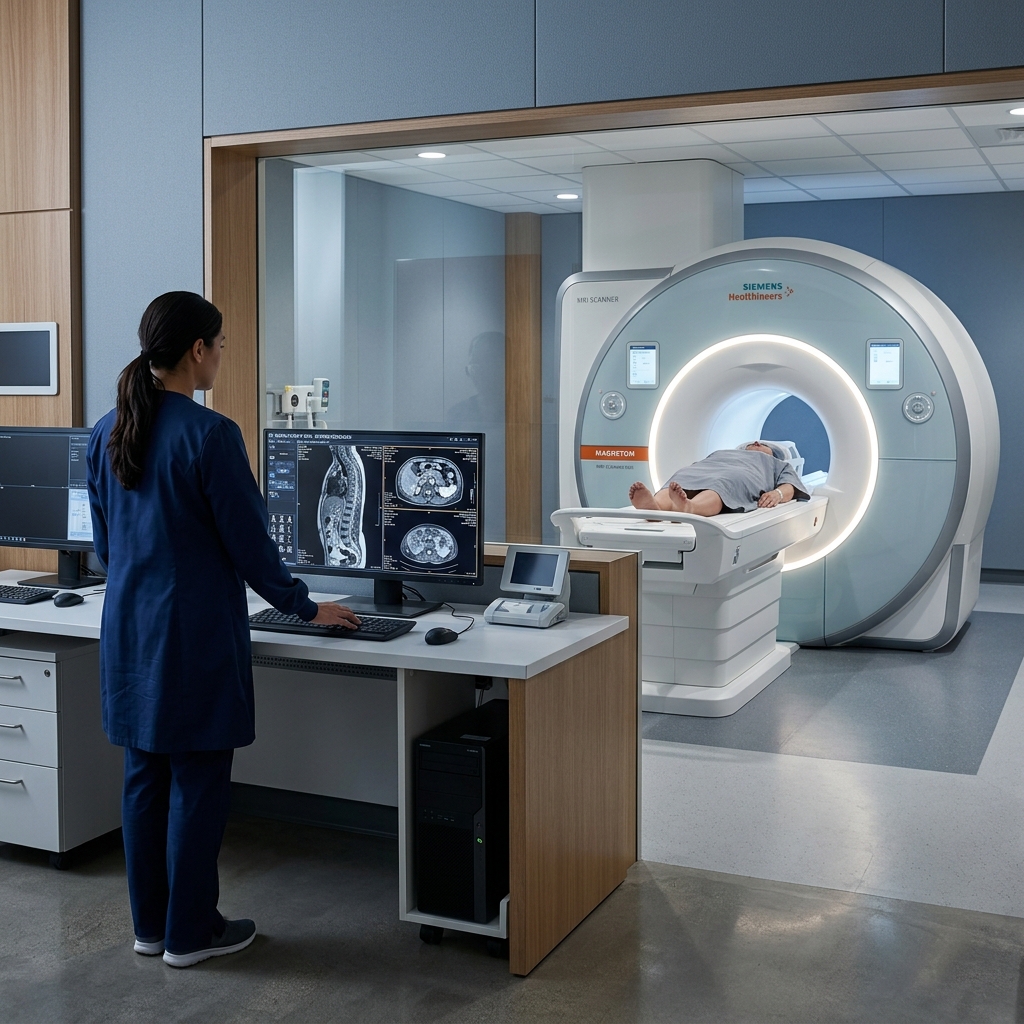
- Imaging where indicated: this may include cardiovascular imaging or whole-body screening, used selectively based on individual risk rather than applied universally
- Physician interpretation and synthesis: connecting findings across systems rather than reviewing each result in isolation
- Individualized plan and follow-up: a specific plan addressing identified risks, with a defined re-testing interval to track change over time
The assessment itself is the foundation. Treatments and interventions, where appropriate, follow from what the diagnostic phase actually reveals, not from a standing menu of services offered to everyone regardless of findings.
Diagnostic-First vs. Menu-Style: What the Difference Looks Like
| Element | Physician-led diagnostic model | Menu-style treatment model |
|---|---|---|
| Starting point | Comprehensive testing and history | Patient selects a treatment or package |
| Decision driver | Physician interpretation of results | Patient preference or marketing |
| Treatment selection | Based on identified individual risk | Available for anyone regardless of testing |
| Follow-up structure | Defined re-testing intervals | Often session-based, not outcome-based |
| Clinical governance | Named physician oversight of the plan | Variable; sometimes minimal clinical oversight |

What Should You Ask Before Choosing a Longevity Clinic?
A few direct questions help separate diagnostic-first clinics from menu-style operations:
- Does testing happen before any treatment recommendation, or are treatments offered regardless of test results?
- Who is the named physician responsible for interpreting my results and overseeing my plan?
- What is the plan for re-testing and tracking change over time, not just delivering a one-time service?
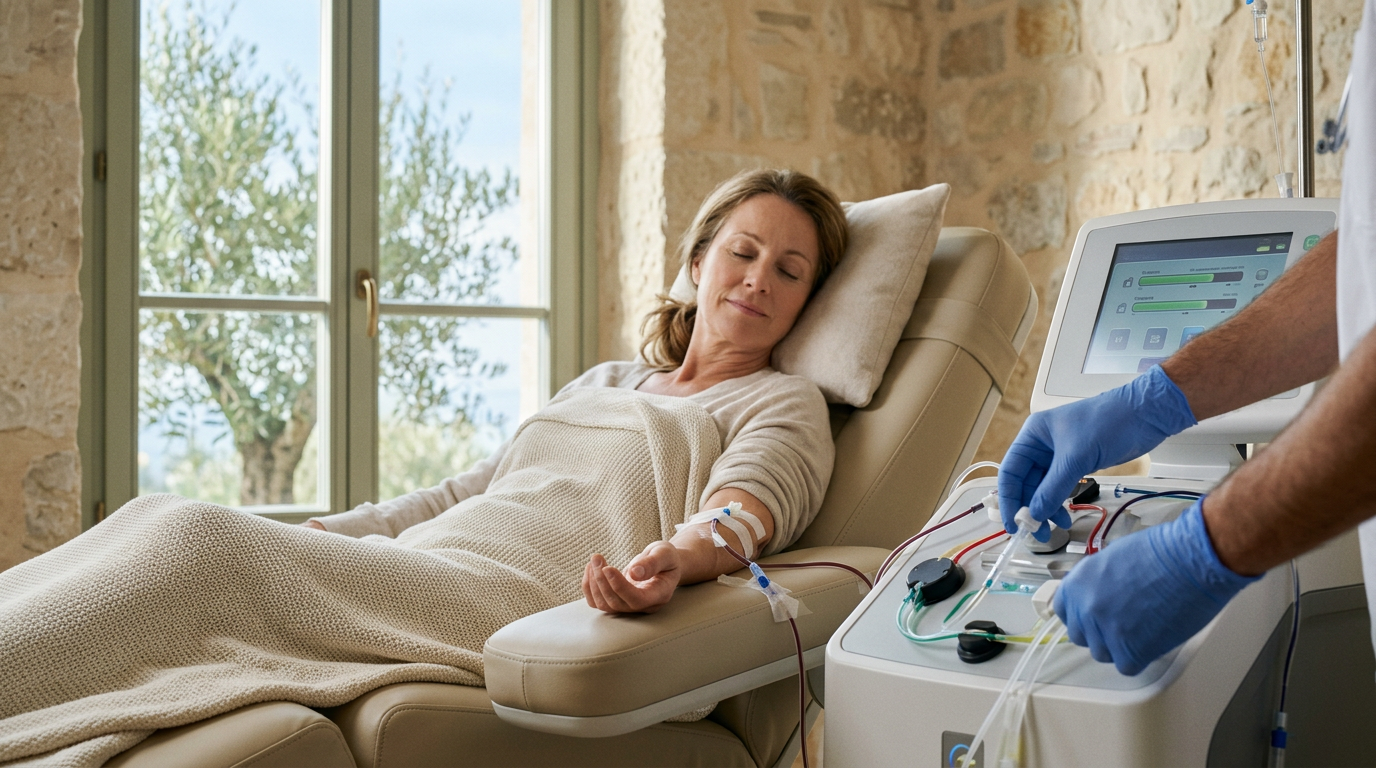
- Are claims about specific therapies (like IV infusions or hormone optimization) presented with honest evidence labels, or as universally beneficial?
- Is there a clear escalation path if testing reveals something requiring specialist referral or urgent care?
What a Longevity Clinic Cannot Promise
Even the most rigorous, physician-led longevity clinic cannot promise a specific lifespan extension, guarantee reversal of biological age, or claim certainty where the underlying science has genuine uncertainty. Biomarker improvement is not automatically the same as a clinical outcome, and any credible clinic should be transparent about that distinction rather than implying biomarker changes equal proven longevity gains.
How AION Approaches Longevity Medicine
AION's longevity clinic model is built around the diagnostic-first sequence described above: comprehensive assessment, physician interpretation, and individualized planning, rather than a menu of standalone treatments. Our method page explains the clinical governance behind this approach, and our doctors page details the credentials of the physicians overseeing patient care.
Related AION Resources
For readers ready to understand what a comprehensive baseline assessment actually measures, our guides on cardiovascular and biological age diagnostics and VO2 max testing cover two of the core components. For the broader assessment structure, see AION's assessment page.
FAQ
What is the difference between a longevity clinic and a regular doctor's office? A longevity clinic typically offers more comprehensive, proactive diagnostic testing (advanced biomarkers, functional testing, sometimes imaging) aimed at identifying risk before symptoms appear, rather than addressing acute complaints reactively.
Do all longevity clinics require extensive testing first? No. This varies significantly by clinic. Some operate as menu-style treatment providers where testing is optional or minimal. Asking directly about the clinic's process is the best way to find out.
Can a longevity clinic guarantee I'll live longer? No credible clinic can make this guarantee. Biomarker improvements are not the same as proven lifespan extension, and any clinic implying otherwise should be approached with caution.
What tests are typically included in a longevity assessment? Common components include advanced lipid panels (ApoB, Lp(a)), hormonal panels, inflammatory markers, VO₂ max testing, body composition, and sometimes imaging, selected based on individual risk factors rather than applied uniformly.
How often should someone repeat a longevity assessment? This depends on individual risk factors and what was found initially, but a defined re-testing interval, rather than a one-time assessment, is a hallmark of a diagnostic-first, physician-led approach.
Is a longevity clinic only for older adults? No. Establishing an early baseline in your 30s or 40s can be valuable for tracking change over time, since many risk markers are most useful when compared against your own prior results, not just population averages.
This article is for educational purposes and does not replace individualized medical advice. Always consult directly with a clinic's physicians about their specific assessment process and clinical governance.

This article is educational and is not medical advice. Whether any therapy is appropriate for you is a clinical decision made by a physician after an individual assessment.